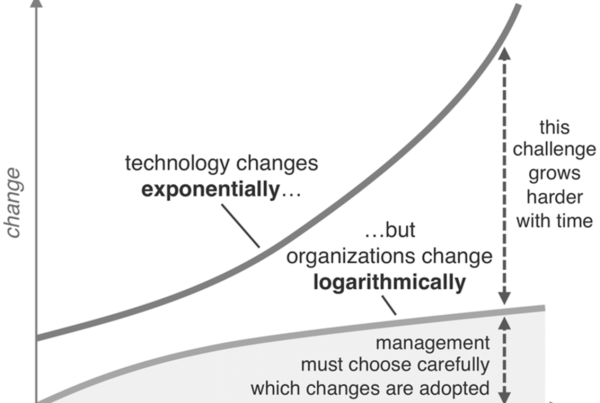


 A Management Operating System (MOS) can play a critical role in the transformation of operations leadership from “command and control” to “learning” by embedding learning into the interactions that leaders onsite have in their regular meetings. This post examines how a MOS not only functions as a system for operational learning but also helps mining companies achieve remarkable outcomes by shifting culture from control to learning.
Understanding the Cultural Shift
Command and Control Culture: Traditionally dominated by top-down decision-making, this culture often leads to rigid operations where rules are prioritized over innovation and problem-solving capabilities.
Learning Organization Culture: Contrasts sharply by promoting continuous education, adaptability, and a collaborative approach that values insights and feedback from all organizational levels. This fosters autonomy and encourages employees to learn from mistakes and contribute to strategic goals.
Companies Implement MOS Because It Helps Improve Results
Increased Production and Efficiency: For example, a South African gold mine implemented a MOS that integrated real-time analytics into daily operations, resulting in a 15% boost in daily production rates within six months.
Enhanced Safety Measures: A copper mine in Chile introduced a MOS with real-time incident reporting, leading to a 40% reduction in minor incidents and a 20% reduction in major safety incidents within a year by enabling prompt responses and continuous safety improvements.
Cost Reduction Through Operational Improvements: An Australian iron ore mine used a MOS to optimize equipment usage and streamline logistics, achieving a 10% reduction in operational costs, which translated to significant annual savings.
Sustainability and Environmental Compliance: In North America, a mine incorporated environmental impact assessments into its MOS, improving regulatory compliance while reducing water and energy use, enhancing both its financial and environmental performance.
Employee Engagement and Skill Development: A Southeast Asian mine with a MOS that included continuous learning programs and leadership development significantly improved employee satisfaction and reduced turnover, fostering a skilled workforce adept at innovative problem-solving.
How MOS Facilitates the Shift to a Learning Organization
Structured Flexibility: While providing a clear framework, a MOS encourages teams to adapt and innovate within this structure, learning continuously to enhance outcomes.
Continuous Feedback Loops: MOS frameworks in mining are not just about top-down instructions but involve multidirectional feedback, essential for real-time learning and improvements.
Data-Driven Insights and Decision Making: By democratizing data access, a MOS empowers all employees to participate in decision-making, enhancing their ability to respond to changes proactively.
Problem Solving and Innovation: MOS transforms problem-solving from following strict orders to engaging in collaborative, creative problem-solving, enhancing both operational outcomes and a culture of innovation.
Building a Culture of Improvement: Regular reviews and iterative improvements in a MOS reinforce continuous improvement, shifting the focus from mere compliance to active engagement in refining processes.
Conclusion
The integration of a Management Operating System in the mining sector exemplifies how structured, data-driven frameworks can transform traditional command and control environments into dynamic learning organizations. These systems not only elevate operational efficiency and safety but also drive sustainability and employee engagement. Through such transformations, mining companies not only excel in their immediate operational goals but also establish a resilient and innovative organizational culture, poised to thrive in a complex global marketplace.
Make contact with us to find out more about the OpsKit app and how it helps teams get a MOS going.