

Your Most Experienced Maintenance Technician Just Gave Notice. Now What?
If you’re in maintenance, you’ve lived this nightmare.
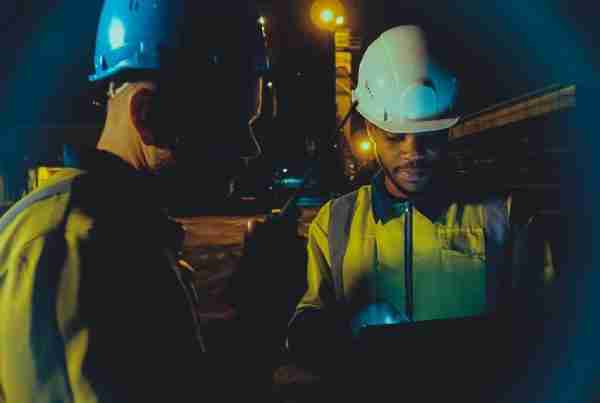
It’s 2 AM. A critical production drill is down at a remote site. The night shift crew is good—but they’re not your 25-year veteran who retired last month. They’re searching through manuals, calling around, burning hours while production sits idle.
Every hour costs you tens of thousands in lost output.
This is the reality across mining operations worldwide. And it’s getting worse.
The Numbers Don’t Lie
Australia faces a deficit of 25,000 qualified maintenance professionals by 2027. But this isn’t just an Australian problem—it’s global.
Here’s what really hurts: 37% of technical knowledge in mining exists only in people’s heads, most of the rest of it sits on shelves and document management systems that people don’t use. When that senior diesel fitter or drill specialist leaves, decades of problem-solving experience walks out the door and your machines suffer.
Meanwhile, maintenance crews spend on average 38% of their time just searching for information across multiple systems. That’s 14.6 hours per week NOT fixing equipment.
Wrench time averages just 29% in Australian operations. International best practice is 55-60%.
We’re hemorrhaging both knowledge and productivity.
Why Your Digital Investments Aren’t Working
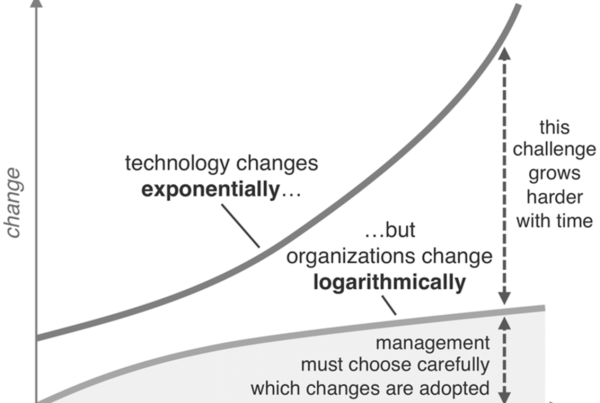
Here’s the painful truth: 83% of industrial companies invested in digital asset management tools. Only 34% got the returns they expected.
Why?
Because most tools weren’t designed for the people actually fixing equipment at 3 AM in a remote workshop.
Your technicians need to check 11 different systems to troubleshoot one failure. CMMS for history. Another system for condition monitoring. Document management for specs. Parts catalog for components. Then they still call the workshop because they can’t find what they need. You can’t just give them ChatGPT and hope it will work.
One maintenance manager told us: “How can I expect the guys to read through all the physical manuals and get it right? It would take them days and they’ll still get it wrong.”
What Actually Solves the Problem
AI tools designed specifically for maintenance workflows change the equation.
Not generic AI. Not another dashboard. Tools that guide your less-experienced crews through systematic troubleshooting using your equipment manuals, technical diagrams, and captured organizational knowledge.
Here’s what works:
When that drill fails at 2 AM, an AI assistant trained on the service manual guides the night shift crew through diagnostic steps. Asks the right questions. Suggests tests based on symptoms. Helps narrow down causes—even when no experienced supervisor is available.
Instead of searching through shelves of manuals, technicians ask: “What’s the hydraulic pressure spec for the hoist circuit?” and get the answer in seconds.
Control room operators can support field crews over radio using AI to guide systematic diagnosis even when the operator isn’t an equipment expert.
Every problem solved gets documented automatically. Organizational memory persists even after experienced staff retire.
Real Results
Organizations implementing these tools see:
- Reduced mean time to repair
- Less dependency on OEM support (and associated delays)
- Junior technicians performing at higher levels
- Knowledge capture that survives staff turnover
- ROI justified by one prevented major breakdown
- Better root cause analysis and work instructions in their ERP
One prevented 8-hour delay on a critical production drill can justify months of tool costs.
Your Action Plan
Don’t try to transform everything at once. Here’s how to start:
This week:
- Find the documentation for your 3 most critical equipment types
- Get a demo from OpsKit AI using your machines
Next Month:
- Pilot AI assistance on one equipment type with one crew
- Choose 2-3 super-users and train them thoroughly
- Measure diagnosis time before and after
Within 6 months:
- Document 3-5 breakdowns resolved faster
- Calculate ROI based on avoided downtime
- Expand based on proven value
The Bottom Line
Your most experienced technicians won’t be around forever. But their knowledge can be.
The mining operations implementing AI maintenance tools thoughtfully, with proper documentation, training, and measurement are maintaining higher availability with smaller, less experienced crews.
The skills crisis won’t resolve itself. Strategic misalignment costs Australian asset-intensive industries $4.3 billion annually. The knowledge exodus is accelerating.
You have two choices: Lead the transformation or scramble to catch up after your competitors prove the value.
Start small. Prove value. Scale systematically.