
There are eight active leadership behaviours that when used by leaders have the biggest impact on delivering safe performance in a complex heavy industry environment. These proactive behaviours for overseeing operations, help leaders to ensure worker safety, improve productivity, and adhere to regulatory standards.
These observable behaviours have stood the test of time and experience across many operations. As a supervisor or new leader on an operation, your mastery and demonstration of these simple behaviours will help you and your teams to deliver results throughout your career.
Understand Expectations, has been added to the typical eight behaviours to ensure people at all levels of an operation are able to clearly express their expectations and that the recipient of these expectations can proactively understand, negotiate and commit to plan that meets these expectations given the existing constraints.
Getting familiar with these and then working hard to get good at them is a great way to grow your leadership capability. This will
- Improve Team Performance: Clear goals and regular feedback directly enhance individual and team performance.
- Increase Efficiency: decision-making, resource efficiency, and continuous improvement ensure that operations run smoothly and without delays or waste.
- Demonstrate Leadership Presence: By being present frontline leaders build trust and credibility, which encourages better engagement and commitment from their teams.
- Proactively Solve Problems: Encouraging problem-solving empowers teams to handle challenges at their level, reducing escalation and fostering a more independent and capable workforce.
These behaviors ensure that frontline leaders maintain a well-functioning, motivated, and high-performing team, directly contributing to the success of the operation.
You might want to focus on one of these behaviours each week and get some coaching from your manager to help you understand how you can improve.

Ask what targets are we expected to meet with what people and machines. What is most important, what standards do we need to meet? Budgets, Standards, Targets, Designs
Agree on the safe and productive plan that will meet expectations. Planned work is safe work! What is the workplace like? Plans, Procedures, Sequences, Schedules & Standards.
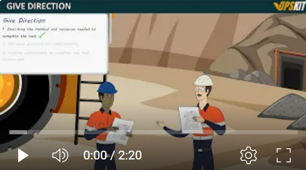
Explain what must be done, by who, where & when? Integrated Plans & Schedules.
Describe how to do the work safely & productively? Instructions, Procedures, Prestart and In the Field Meetings.
Enquire into how are we progressing, will we hit the plan? Is the workplace safe? Walk the Floor, Standards, Short Interval Control & Variance Management.
Discuss what to change & how to change it? Short Interval Control, On the job Reviews, Action Logs.
Ask how can I help my team improve? Training & On the Job Coaching.
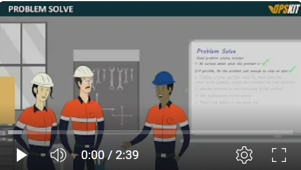
Understand what is really wrong & how we can act to resolve it? 5 Whys, Root Cause Analysis, Actions.
Reflect & be accountable for how we performed vs the plan? Shift Reports, Visual Management Boards, Actions
Commitment, Planning & Assigning Work


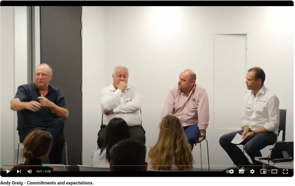
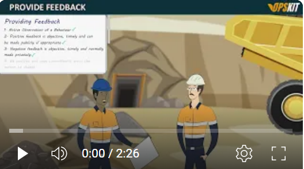
Giving Direction, Following Up & Providing Feedback

Coaching, Support & Problem Solving

Blog Posts on each of the Active Leadership Behaviours
Below you will find blog posts on each of the active leadership behaviours